Bathroom Remodel Scope: Which Changes Require Plumbing, Waterproofing, or Layout Redesign?
Can a new vanity, shower screen, or tile choice stay simple, or does it pull in a plumber, waterproofer, electrician, or permit? The answer depends on what the change disturbs behind the finished surface.
Which bathroom remodel changes are cosmetic, trade-dependent, or layout-changing?
A bathroom remodel is cosmetic only when fixtures, surfaces, fittings, and the waterproof envelope stay workable. Moving drains, rebuilding a shower, changing ventilation, or opening walls turns a simple update into trade-sequenced renovation.
Bathroom remodel scope table: cosmetic update, trade work, or layout redesign
| Bathroom remodel choice | Likely scope | Trade trigger |
|---|---|---|
| Like-for-like vanity swap | Cosmetic if services stay fixed | Installer or joiner |
| Faucet replacement | Minor trade work | Plumber if valves or supply lines change |
| Bathtub to shower conversion | Trade-dependent renovation | Plumber, waterproofer, tiler |
| Toilet relocation | Layout-changing work | Plumber, carpenter, floor repair |
| Shower niche, bench, or curb change | Waterproofing redesign | Waterproofing installer and tiler |
| Heated floor or lighting change | Electrical scope | Electrician and floor installer |
The bathroom remodel risk increases when hidden layers are disturbed
Risk rises when demolition exposes wall cavities, subfloors, shower bases, or ceilings. Older rooms can hide corroded pipe, weak subflooring, loose tile backer, missing waterproofing, undersized drains, or outdated repairs.
- Cosmetic scope: paint, hardware, mirrors, accessories, and like-for-like fittings.
- Trade-dependent scope: plumbing, electrical, exhaust fans, waterproofing, and substrate repair.
- Layout-changing scope: moving toilets, doors, walls, windows, showers, tubs, or major storage.
Which bathroom remodel changes usually require plumbing work?
A bathroom remodel usually requires plumbing work when it changes water supply lines, drain locations, venting, fixture type, valve access, or waste pipe routing.
- Plan for a plumber when a fixture moves, a drain shifts, a valve becomes concealed, or a tub becomes a shower.
- Check rough-in sheets before ordering toilets, vanities, wall taps, shower valves, drains, and concealed cisterns.
- Expect wall repair when pipe routes change. Nashville guidance lists drywall or paneling repair over 100 square feet as permit-required work in that jurisdiction. Nashville.gov renovation guidance
Moving a toilet is a major bathroom remodel scope trigger
A toilet relocation changes the waste line, vent relationship, floor penetrations, and clearances. Joists, slabs, and multi-unit floor assemblies can limit the route more than the drawing suggests.
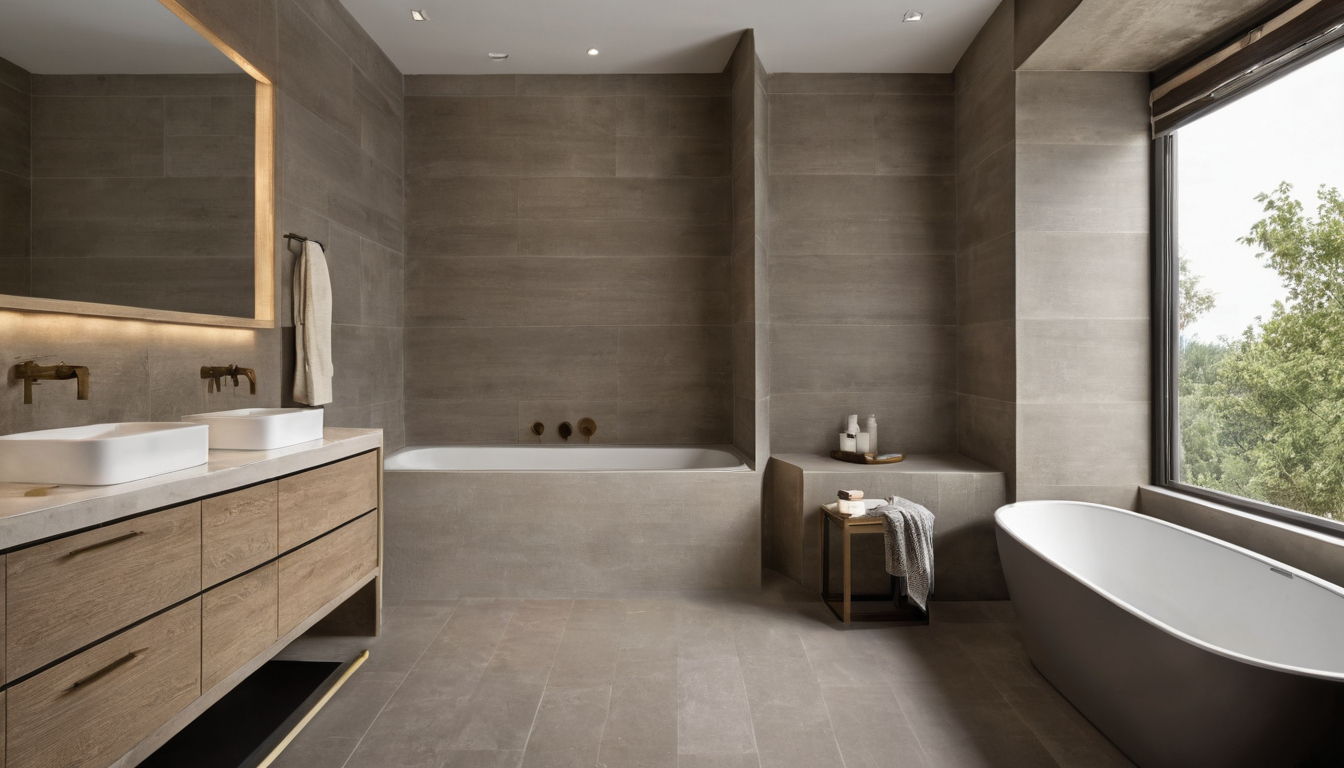
Which bathroom remodel changes usually require plumbing work shown with finish, fixture, and clearance relationships visible.
Changing a bathtub to a shower changes the bathroom drain and waterproofing scope
A tub-to-shower conversion is not just a new tray and glass screen. Drain position, shower slope, threshold, and waterproofing must match the selected drain and pan.
Wall-mounted fixtures and concealed valves require access planning
Wall taps, concealed mixers, and wall-hung toilets need framing depth, service access, and exact rough-in dimensions. Natural stone around these fittings also needs maintenance planning; the Natural Stone Institute recommends neutral cleaners, stone soap, or mild dishwashing detergent with warm water. Natural Stone Institute care guidance
Which bathroom remodel choices require new waterproofing?
A bathroom remodel requires new waterproofing when shower walls, shower floors, wet-room floors, tub surrounds, niches, curbs, benches, or tiled wet zones are rebuilt, penetrated, or extended.
Shower niches, benches, and curbs make bathroom waterproofing more complex
Small features create leak paths. A niche has inside corners, a bench has a horizontal top, and a curb has multiple membrane transitions. Follow the selected membrane and drain manufacturer’s details.
Large-format tile does not reduce bathroom waterproofing requirements
Tile is the finish layer, not the water-control layer. Large-format porcelain can reduce grout lines, but the shower still needs a compatible substrate, waterproofing system, mortar coverage, and movement-joint planning.
Wet rooms require bathroom floor drainage and waterproofing coordination
Wet rooms move water risk from the shower footprint to the whole bathroom floor. A curbless shower or wet-room floor needs coordinated falls, thresholds, drain placement, waterproofing extent, and door transitions before tile sizes are selected.
Accessibility planning can also change the layout. The 2010 ADA Standards reference a 30 by 48 inch clear floor space for wheelchair positioning and 28 to 34 inches for accessible work surfaces.
Which bathroom remodel decisions force a layout redesign?
A bathroom remodel needs layout redesign when fixtures no longer meet clearances, door swings conflict with use, storage blocks circulation, or the shower, toilet, and vanity cannot share workable plumbing runs.
The golden rule for bathroom layouts is to protect clearance before style
Fixture clearance decides whether a bathroom works after the tile looks finished. A toilet needs side and front space, a vanity needs standing room and drawer clearance, and a shower door needs a safe swing or slide path.
Wall and opening changes can move the project into a different risk category. Nashville guidance lists wall removal, relocated doors, changed windows, relocated ceilings, and structural carpentry as permit triggers when those conditions apply.
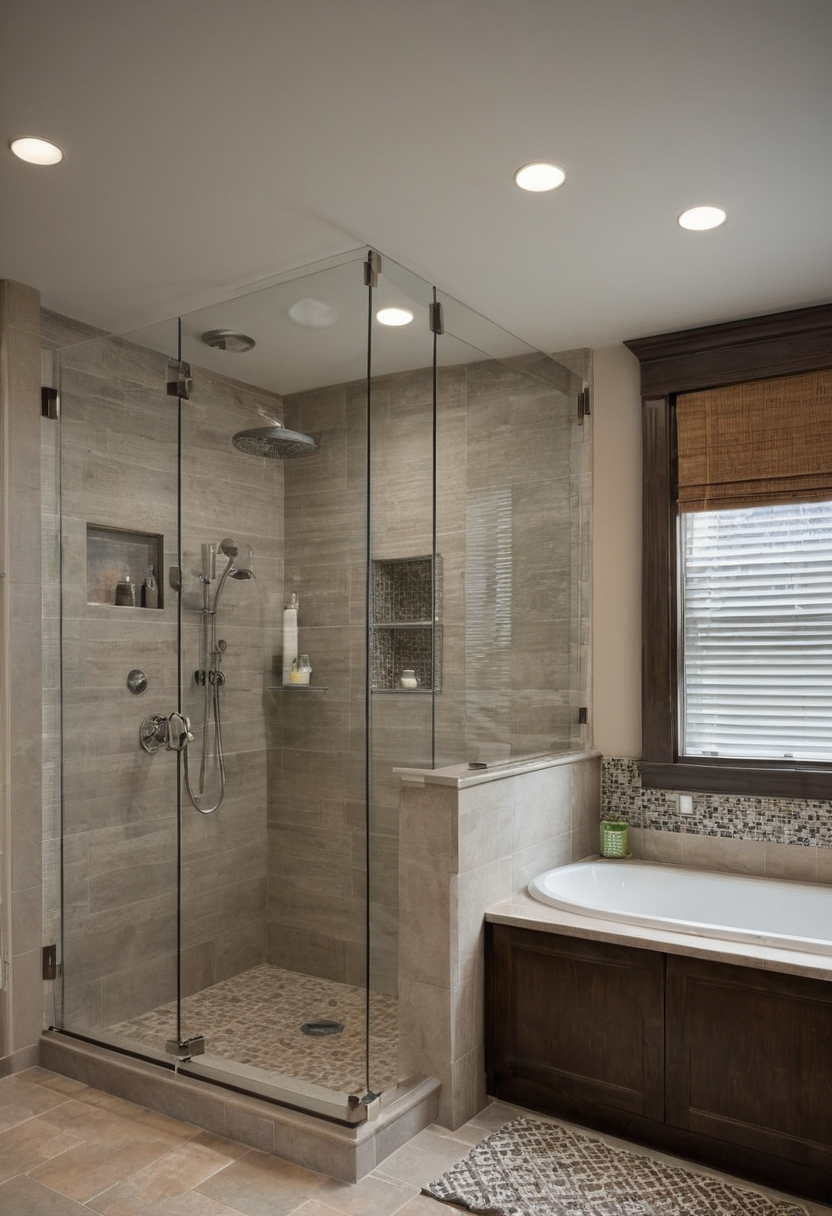
Which bathroom remodel decisions force a layout redesign shown as a planning reference for layout, scale, and material decisions.
Small bathroom remodel layouts should move storage before moving plumbing
Small bathrooms often improve more from storage discipline than fixture relocation. A recessed medicine cabinet, wall-hung vanity, shallow linen tower, or niche outside the wet zone can recover circulation without cutting a slab or chasing a plumbing stack.
High-end bathroom remodel design may require custom vanity coordination
Custom vanity decisions force layout redesign when cabinet depth, countertop overhang, basin position, plumbing rough-in, mirror size, sconces, and door swing do not align. High-end cabinetry also needs early procurement, especially where stone tops, specialty hardware, or furniture-grade detailing are part of bespoke luxury furniture planning.
Which bathroom remodel upgrades trigger electrical, ventilation, or heating requirements?
A bathroom remodel can trigger electrical, ventilation, or heating work when lighting positions change, outlets are added, exhaust fans are replaced, mirrors are powered, underfloor heating is installed, or the room’s moisture load increases.
Heated bathroom floors require electrical load and floor assembly planning
Electric floor heat affects comfort, circuit planning, and finished floor height. The electrician should confirm protection, thermostat location, and sensor routing, while the installer checks adhesive, waterproofing compatibility, tile build-up, and doorway transitions.
Bathroom ventilation changes can affect mold risk and code compliance
Exhaust fans, sealed shower glass, steamier showers, and finish schedules belong in the same conversation. The U.S. Environmental Protection Agency advises fixing condensation and damp spots promptly to reduce mold risk. The EPA also identifies paints, varnishes, cleaning products, building materials, and furnishings as VOC sources and recommends increased ventilation during use. EPA VOC indoor air guidance
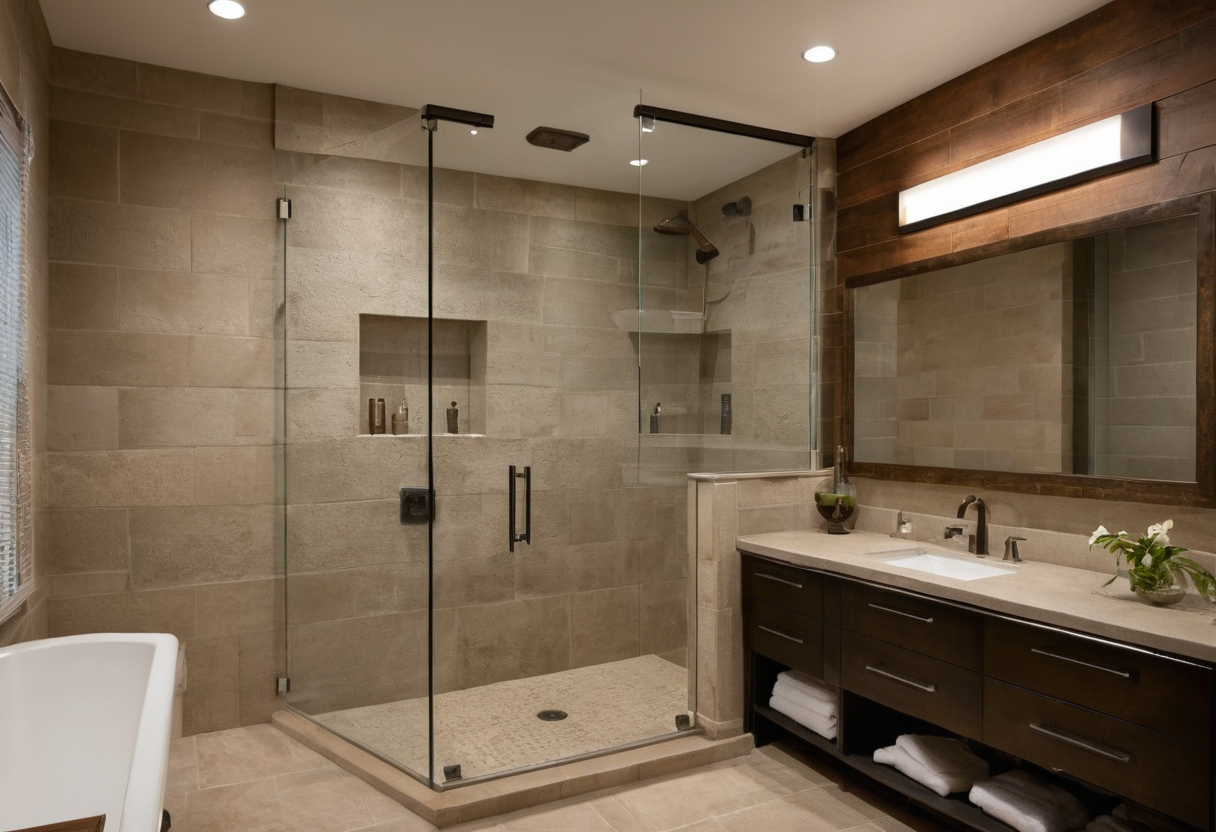
Which bathroom remodel upgrades trigger electrical, ventilation, or heating requirements shown with floor, wall, and fixture relationships visible.
How should a bathroom remodel be sequenced to avoid rework?
A bathroom remodel should move from investigation to design sign-off, pricing, procurement, demolition, rough-in, waterproofing, tiling, cabinetry, fixtures, and final commissioning. A late drain change, delayed tile, or unapproved electrical alteration can force demolition, re-waterproofing, or schedule gaps.
Bathroom remodel procurement should happen before demolition for long-lead items
- Confirm products before rough-in: toilet set-out, drain location, valve depth, vanity width, mirror wiring, towel warmer power, niche size, and shower screen fixing points.
- Order long-lead items early: tile, specialty drains, wall-mounted fixtures, custom vanities, lighting, and shower glass.
- Book inspection hold points: plumbing, electrical, waterproofing, and final completion may need review before work gets covered.
How should bathroom remodel budgets account for scope triggers and regret risk?
A bathroom remodel budget should separate finish allowances from trade allowances, concealed-condition contingency, permits, design fees, and product lead times. Regret often comes from spending heavily on visible upgrades while underfunding waterproofing, ventilation, storage, lighting, or layout clearances.
The 30% remodeling rule is a budgeting shortcut, not a bathroom scope rule
The 30% rule can frame resale discipline, but it cannot tell you whether a bathroom needs a plumber, electrician, waterproofer, glass measure, or inspection. Compact bathrooms can still carry fixed trade costs.
Bathroom allowances should be split into demolition, rough plumbing, electrical, ventilation, waterproofing, tile labor, fixtures, cabinetry, countertops, shower glass, permits, design, delivery, and contingency. For many occupied homes, a 10% to 20% contingency is a useful planning line.
Local permit rules also change the budget. Nashville guidance says interior renovations must go through the Metro Nashville Department of Codes and Building Safety permitting process.
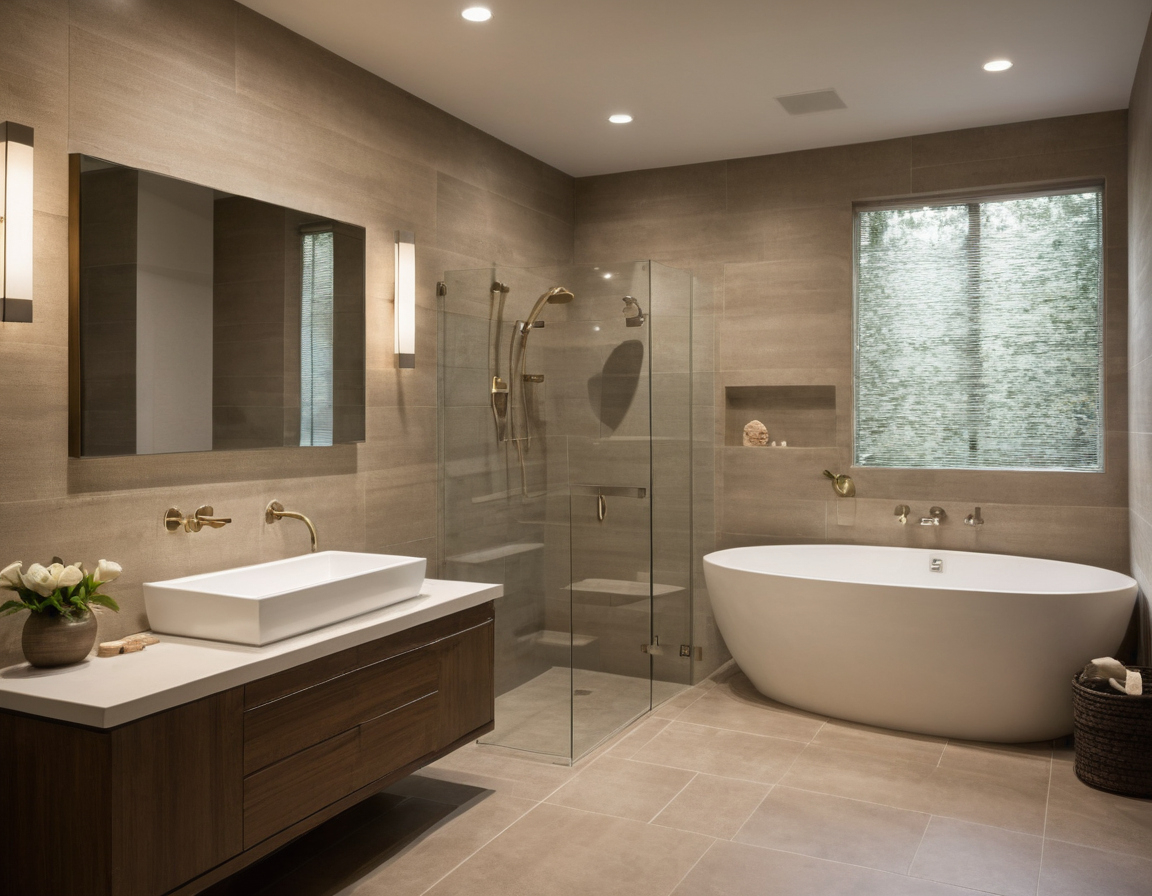
How should bathroom remodel budgets account for scope triggers and regret risk shown as a planning reference for layout, scale, and material decisions.
Most regretted bathroom upgrades are usually under-scoped, not merely unattractive
Regret often starts where the budget looked efficient: wall tile without correcting a failing substrate, a sleek vanity with no drawer clearance, a shower niche cut into the wrong wall, weak lighting, slippery flooring, or a fan that cannot move moisture out.
Lighting is one place to spend with operating cost in mind. ENERGY STAR states that qualified LED lighting uses at least 75 percent less energy and lasts up to 25 times longer than incandescent lighting. ENERGY STAR LED lighting guidance
FAQ
What bathroom remodel changes can be done without moving plumbing?
Paint, mirrors, hardware, accessories, like-for-like vanities, and some faucet swaps can stay simple if supply lines, drains, valves, and electrical points remain in place.
Does replacing a bathtub with a shower require new waterproofing?
Yes. A tub-to-shower conversion usually changes the wet-area assembly, drain position, slope, threshold, and membrane detailing.
What is the golden rule for a bathroom remodel layout?
Protect clearance before style. A plan fails if the toilet, vanity, shower, door, and storage cannot be used comfortably.
Is the 30% rule useful for planning a bathroom remodel budget?
It can frame resale discipline, but it cannot classify plumbing, waterproofing, electrical, ventilation, or layout scope. Classify every change before selecting finishes.