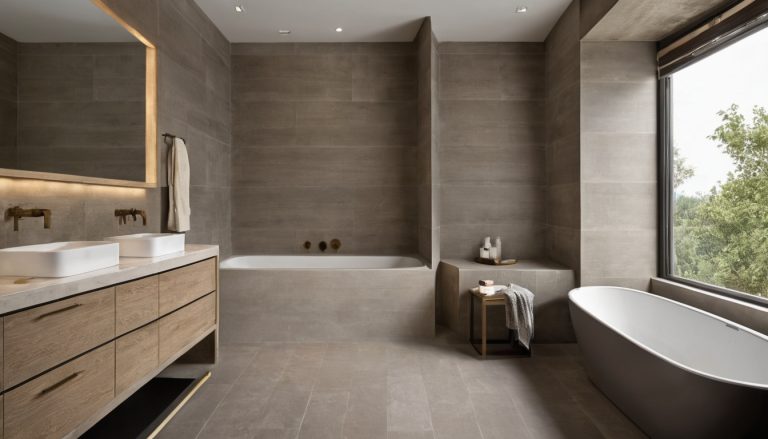
Bathroom Flooring Ideas Tested Against Slip, Water, Grout, and Maintenance Risks
Wet or damp materials should be dried within 24 to 48 hours after a leak or spill to help prevent mold growth, according to the U.S. Environmental Protection Agency, but the moisture source must also be corrected. That guidance becomes tangible when wet footprints run from a shower to the vanity while water disappears into a grout crack or doorway transition.
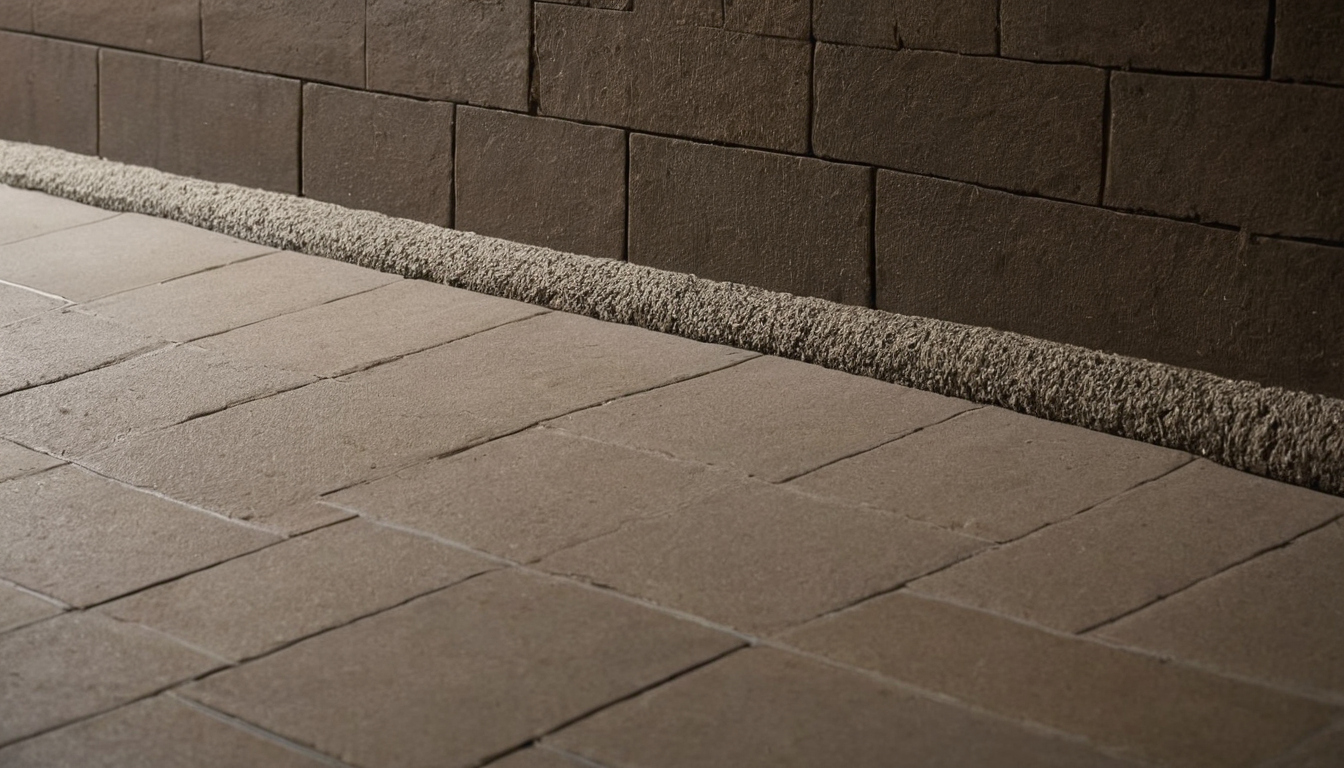
Bathroom Flooring Ideas Tested Against Slip, Water, Grout, and Maintenance Risks shown with finish, fixture, and clearance relationships visible.
An unnamed homeowner planning a heavily used family bathroom wanted an attractive floor that would feel comfortable under bare feet and require little maintenance. The procurement test revealed a harder truth: a bathroom floor is an installed water-management and maintenance system, not merely a visible material.
Which bathroom flooring ideas best match the room’s actual risk level?
The best bathroom flooring depends on where water lands, who uses the room, how often it is cleaned, and what the structure can support. A powder room permits more options than a curbless shower bathroom, while children, older adults, balance limitations, bathmats, and caregiver access increase wet-slip and transition risks.
Bathroom flooring selection should begin with users and water zones, not color
- Powder room: Low water exposure, moderate slip priority, light cleaning, and comparatively simple installation.
- Family bathroom: Regular splashing at the tub, vanity, and toilet, with high traction priority at the tub exit and frequent cleaning.
- Primary bathroom: Repeated barefoot use and shower tracking, with grout burden determined partly by tile size and layout.
- Rental bathroom: Variable cleaning habits make durability, straightforward repairs, and locally available replacements especially valuable.
- Wet room or curbless shower: Continuous splash exposure, critical doorway transitions, low tolerance for maintenance, and the greatest installation complexity.
Dry perimeter areas, toilet zones, tub exits, and shower floors should be evaluated separately. A product marketed for bathroom floors is not automatically approved for a shower floor or continuously wet area. The EPA identifies moisture control as the basis of mold control, making drainage, ventilation, leaks, and concealed water migration part of the flooring decision.
A bathroom flooring shortlist should eliminate incompatible products before comparing price
- Confirm wet-area approval and current slip-test documentation.
- Verify compatibility among the substrate, waterproofing, adhesive, grout, sealant, and heating.
- Read cleaning instructions, cure requirements, and warranty exclusions.
- Confirm local stock, matching repair material, and qualified installation labor.
Adhesives, sealants, and coatings also deserve emissions review because the EPA reports that concentrations of many VOCs can be higher indoors than outdoors, depending on formulation, quantity, ventilation, and installation conditions. Lighting affects final sample review as well; ENERGY STAR states that qualified LED lighting uses at least 75 percent less energy and lasts up to 25 times longer than incandescent lighting where qualified products apply. Once incompatible floors are removed, wet traction becomes the deciding test.
How should wet-slip performance be judged for bathroom flooring?
Bathroom flooring cannot be declared safe from roughness, appearance, or a generic non-slip label. Judge the exact product and finish using recognized test documentation, manufacturer wet-area approval, joint layout, drainage, expected contaminants, and the household’s actual cleaning routine.
A bathroom tile’s body, surface finish, and slip-test result describe different properties
Tile-body density does not establish surface traction. ASTM C373-18(2023) provides vacuum and boil methods for measuring water absorption in covered ceramic and glass products, with the applicable procedure depending on the product type. Surface texture and wet dynamic coefficient of friction require separate documentation.
- Match the identity: Confirm that the report covers the exact color, finish, size, and product designation being ordered.
- Check the method: For U.S. hard flooring, request current ANSI A326.3 information and applicable ceramic-tile declarations under ANSI A137.1.
- Confirm intended use: Obtain written approval for the bathroom floor, shower floor, or other wet interior location.
- Read the limitations: A laboratory classification does not guarantee traction under every contaminant, slope, wear, footwear, or maintenance condition.
Small bathroom mosaics may add grout edges but do not replace verified slip data
Frequent grout joints can add foot-contact edges and help small modules follow shower slopes, but mosaic size is not a safety rating. Confirm permitted tile dimensions, joint width, drain geometry, slip documentation, and compatibility with the selected tray or waterproofing system.
Slip-resistant bathroom flooring still requires drainage and routine cleaning
Soap, body oils, cleaner residue, standing water, and worn texture can change traction. Aggressive textures may hold residue and require brushing. For natural stone, the Natural Stone Institute recommends neutral cleaners, stone soap, or mild detergent and warm water, subject to the stone, finish, sealer, contaminant, and supplier instructions. Traction documentation therefore leads directly to the concealed waterproof assembly.
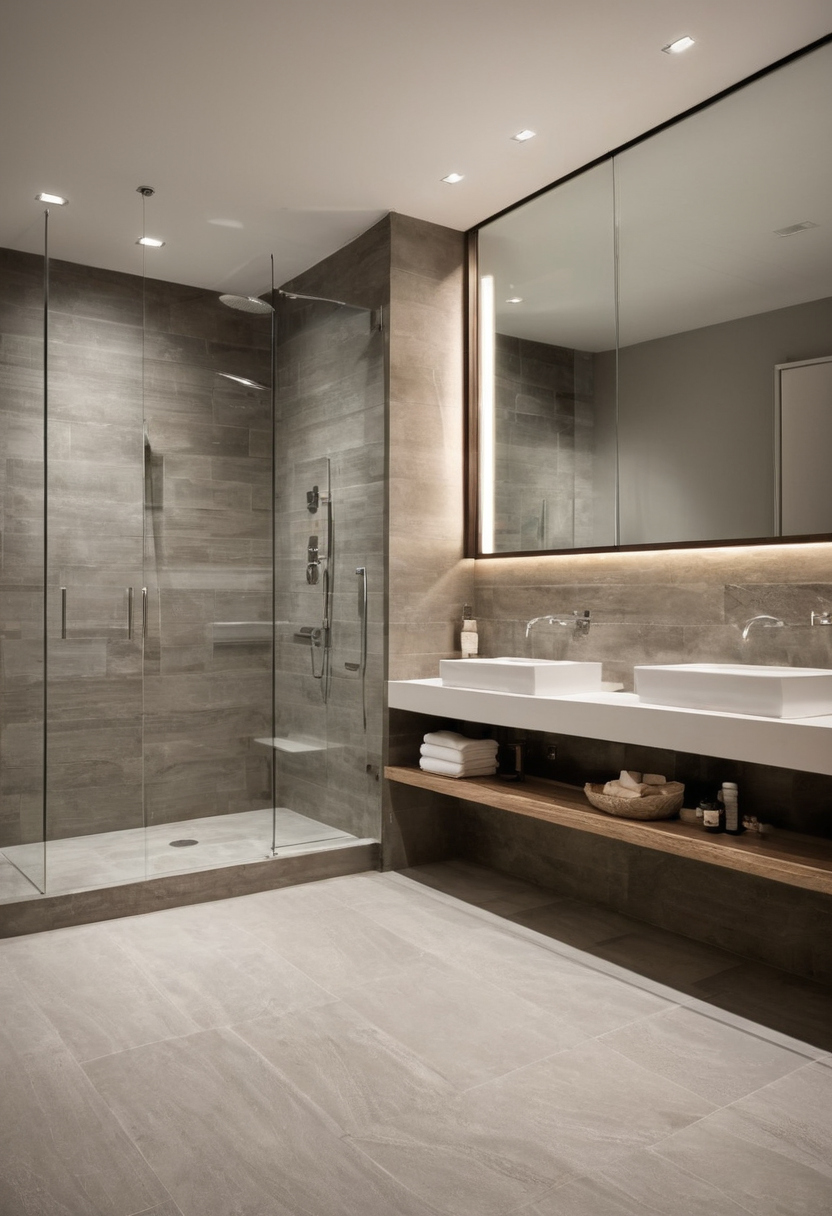
How should wet-slip performance be judged for bathroom flooring shown as an editorial reference for proportion and finish coordination.
Waterproof bathroom flooring depends on the assembly beneath the finish
Most tile, stone, and grout surfaces do not waterproof a bathroom by themselves. Water control depends on a compatible membrane, sealed seams and penetrations, suitable drainage, and installation details that comply with local requirements and the selected system instructions.
Bathroom tile and grout should not be described as the waterproofing layer
- Standard bathroom: Finish flooring sits over a stable, compatible substrate; localized splashing does not automatically make the entire room a shower receptor.
- Tub-exit area: Additional water protection may extend beneath the finish and terminate securely at walls, penetrations, and the tub edge.
- Curbless shower: The finish and setting material sit above continuous waterproofing connected to the drain and carried across the defined wet area.
Moving a drain, changing floor height, or expanding the wet zone can alter the bathroom remodel scope and waterproofing triggers.
Curbless shower flooring requires coordinated slope, drain, membrane, and doorway details
A curbless layout must contain spray without allowing water to migrate through the doorway. Before approving tile, confirm substrate preparation, membrane type, drain connection, corners, penetrations, transition height, required testing, and compatibility among every system component.
How do porcelain, ceramic, stone, terrazzo, and resilient bathroom floors compare?
Porcelain is often practical for a heavily used bathroom, but no material wins every comparison. Ceramic can offer economical options, stone adds sealing and chemical-care concerns, terrazzo varies by binder and system, and resilient flooring reduces grout while shifting risk to seams, edges, substrate preparation, and wet-area approval.
Porcelain and ceramic bathroom tiles should be compared by product data, not category reputation
Porcelain and ceramic labels describe tile bodies, not traction or complete floor performance. Buyers still need the exact product’s finish, wet-slip documentation, floor-use rating, recommended joint width, installation method, and bathroom limitations.
Matte porcelain can balance traction and cleanability when supported by test data. Polished products may show water spots or carry wet-area restrictions. Glazed ceramic can work outside the shower when its body, glaze, and floor rating match the exposure. Both can work with many heating assemblies, although tile, mortar, membrane, and substrate create a comparatively deep and labor-intensive floor.
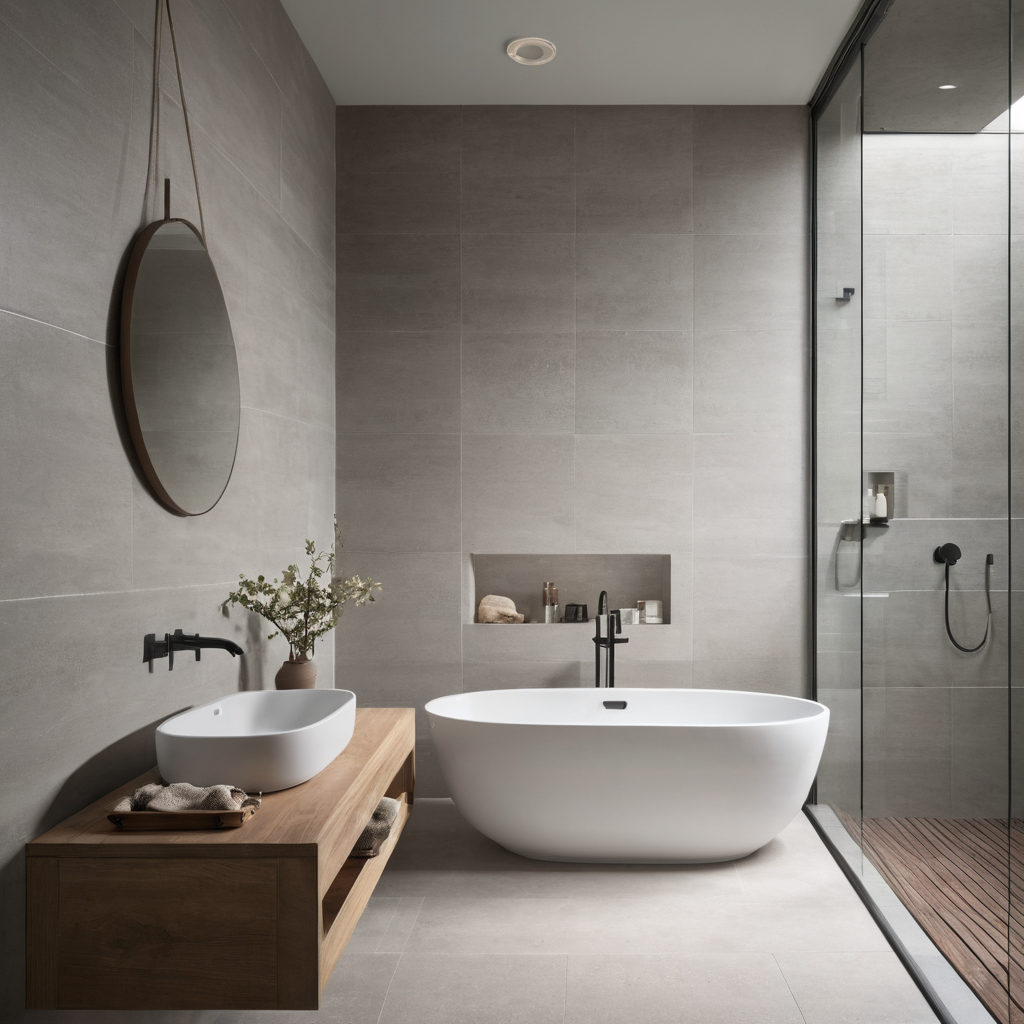
How do porcelain, ceramic, stone, terrazzo, and resilient bathroom floors compare shown with finish, fixture, and clearance relationships visible.
Natural stone and terrazzo bathroom floors trade visual continuity for additional specification work
Natural stone requires approval by stone type and finish. The Natural Stone Institute explains that sealing improves stain resistance but does not make stone stain-proof; sealer suitability and renewal depend on porosity, finish, exposure, chemistry, and maintenance.
Cementitious and resinous terrazzo systems differ in thickness, moisture tolerance, crack management, divider-strip layout, cleaning chemistry, and heating compatibility. Both can reduce visible joints, but repairs may remain noticeable and installation generally requires specialized preparation. Documentation discipline matters for any specialized finish. The National Park Service Museum Handbook, while intended for museum collections rather than residential flooring, illustrates the broader value of formal preservation, documentation, access, and use records.
Resilient bathroom flooring reduces grout but shifts risk to seams and edges
Sheet vinyl, modular vinyl, linoleum, and rubber must be approved product by product. A waterproof plank or sheet does not create a waterproof assembly if water can pass through seams, toilet penetrations, perimeter gaps, or poorly detailed drains.
Resilient flooring is usually thinner and quieter underfoot than tile, but substrate flatness, moisture testing, adhesive selection, seam treatment, heat limits, and warranty exclusions control performance. If a leak occurs, the EPA advises drying wet materials within 24 to 48 hours while correcting the source because visible drying may not remove moisture trapped below the finish. Installation should also follow label precautions, ventilation guidance, cure times, and reoccupancy instructions for products that emit VOCs.
How much grout maintenance does a bathroom floor create?
Grout burden depends on tile size, joint width, grout chemistry, color, surface texture, ventilation, and cleaning habits. Large tiles reduce joint length but can complicate shower slopes. Cementitious, high-performance cement, epoxy, and proprietary premixed grouts have different sealing, curing, cleaning, and repair requirements.
Bathroom grout type changes sealing, staining, and installation risk
Conventional cementitious grout may require sealing and periodic renewal according to its manufacturer. High-performance cement products can improve stain resistance and color consistency. Epoxy grout resists many stains and usually does not need sealer, but installation requires controlled timing and cleanup. Premixed products need explicit approval for the intended wet exposure.
Bathroom movement joints require flexible sealant rather than rigid grout
Perimeters, thresholds, changes of plane, and specified movement locations require compatible flexible sealant rather than continuous rigid grout. Confirm joint dimensions, backing, cure time, cleaner compatibility, and repair procedures before ordering.
How do underfloor heating and floor height change bathroom flooring choices?
Bathroom flooring must be coordinated with heating output, finished-floor height, door clearance, toilet connections, thresholds, and adjacent rooms before procurement. Every finish, adhesive, membrane, leveling layer, and heating component must be approved for the proposed assembly and operating conditions.
Bathroom floor buildup should be calculated before demolition and product ordering
A buildup worksheet should list subfloor repairs, primer, leveling compound, heating components, membrane, adhesive, finish, and transition thickness. The calculation exposes raised thresholds, binding doors, toilet-flange conflicts, and effects on small-bathroom clearances and threshold planning.
Bathroom underfloor heating requires one compatible assembly and a documented commissioning sequence
The heating supplier, electrician, plumber, waterproofing installer, and flooring installer should approve one layer order. Record required electrical resistance or hydronic pressure tests, sensor placement, cure periods, temperature limits, and startup instructions. Electric systems also need jurisdiction-compliant controls and ground-fault protection.
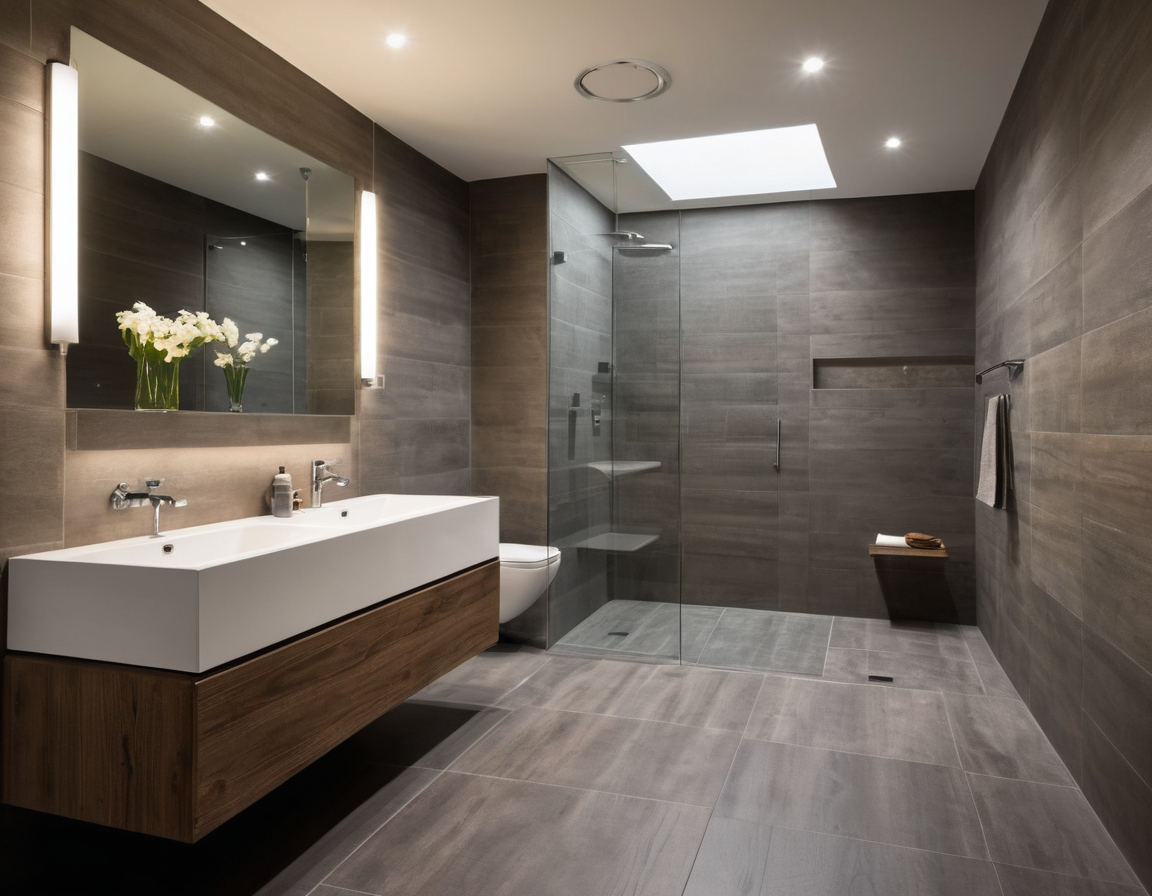
How do underfloor heating and floor height change bathroom flooring choices shown as an editorial reference for proportion and finish coordination.
Bathroom flooring value should be measured by lifecycle cost and failure exposure
The lowest flooring quote may omit demolition, substrate correction, waterproofing, trim, heating coordination, sealing, or future maintenance. Compare the installed assembly, scheduled upkeep, repair access, warranty conditions, and disruption from failure over the homeowner’s expected ownership period.
Bathroom flooring quotes should be normalized to the same scope
- Demolition, disposal, fixture removal, cleanup, and bathroom downtime
- Subfloor repair, flattening, crack treatment, and waterproofing
- Drain, electrical, heating, threshold, base, and transition coordination
- Floor installation, grout or seams, sealant, trim, testing, and tax
- Maintenance responsibility, warranty labor, spare material, freight, and lead time
Use current regional contractor estimates rather than generic prices. Record warranty periods and exclusions without treating warranty length as proof of service life. Bid exclusions can become change orders when demolition reveals moisture damage, movement, uneven framing, or an incompatible floor height.
Bathroom flooring should be approved through samples, documents, and mockups
Review a full-size sample under the planned lighting, with bare feet and cleaning tools, in dry and damp conditions. An informal damp test can expose an unpleasant texture or cleaning problem, but it cannot replace standardized slip documentation or written wet-area approval.
Approve a mockup showing grout color, joint width, edge trim, threshold, drain cut, flexible sealant, and cleaning results. Release the order only after the file contains the exact product and finish, test results, complete assembly, installation instructions, installer qualifications, warranty, maintenance guide, batch information, and retained-spare record. The homeowner’s winning floor is the documented system that can be safely cleaned, maintained, and repaired.
Bathroom Flooring FAQ
What type of bathroom flooring is most slip-resistant when it is wet?
No material category is automatically the most slip-resistant. Compare current wet-slip documentation for the exact product and finish, confirm the intended-use classification, and account for drainage, contaminants, wear, grout layout, and cleaning.
What is the most durable bathroom flooring for a heavily used family bathroom?
Properly specified porcelain tile is often a strong candidate because it can resist wear and individual tiles may be replaceable. Durability still depends on the substrate, waterproofing, movement accommodation, installation quality, grout choice, and availability of spare tile.
Which bathroom flooring options are practical for older adults or people with limited mobility?
Prioritize documented wet traction, low-glare surfaces, minimal changes in level, secure transitions, predictable drainage, and textures that remain cleanable. Review the plan with an occupational therapist or aging-in-place specialist when balance, mobility aids, or caregiver access affect the room.